St. Albert Foundation Problems: The Sturgeon River, Ravine Lots, and Clay
Quick Answer: St. Albert foundation problems split two ways. Homes near the Sturgeon River and its ravines deal with higher groundwater and alluvial soil, while upland homes face the same expansive clay as Edmonton. St. Albert is its own city, so permits go through it. A river-valley lot needs a closer look.
St. Albert has a foundation story most of the region does not. It is the oldest non-fortified community in Alberta, and it grew up along the Sturgeon River. That river still shapes what happens under the houses here. Where your home sits relative to the valley matters as much as how old it is, and it changes how we would look at a crack. Here is how to read your own lot.
St. Albert is one of the Edmonton-area towns Tim’s crew drives out to, though the foundation troubles here show up a little differently from one street to the next depending on the clay, the slope, and the age of the home.
Alberta’s Oldest Community, Built on a River
The history is not just trivia. It tells you where the soft ground is.
Why the Sturgeon River Is Part of the Story
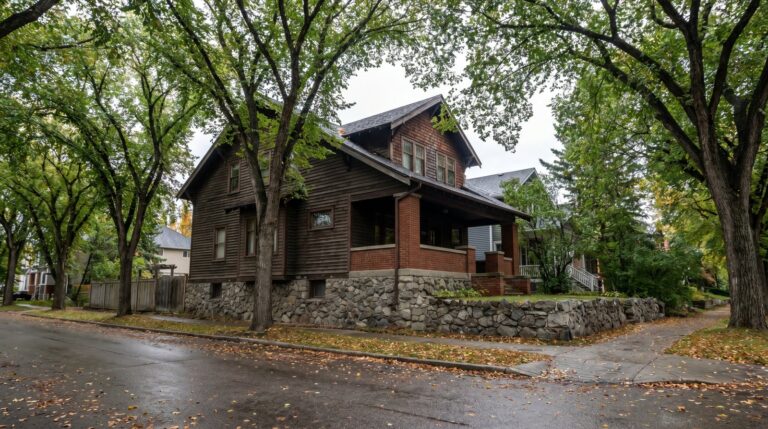
St. Albert was founded in 1861 as a Métis settlement when Father Albert Lacombe built a chapel in the Sturgeon River valley. That chapel, the Father Lacombe Church, is believed to be the oldest building still standing in Alberta. The community grew along the river because that is where the people and the farmland were. Today the city protects the valley with a 50 metre setback from the top of the riverbank, and ravines branch off it through many neighbourhoods. Those low, wet corridors are exactly where foundations behave differently than they do up on the flat.
So the first question on any St. Albert foundation is simple: are you near the river or a ravine, or are you up on the upland? The answer changes everything.
Why the Sturgeon River Valley Changes the Picture
Homes close to the river, its ravines, or the old valley benefit from the view and pay for it under the basement.
What River-Adjacent Ground Does to a Foundation
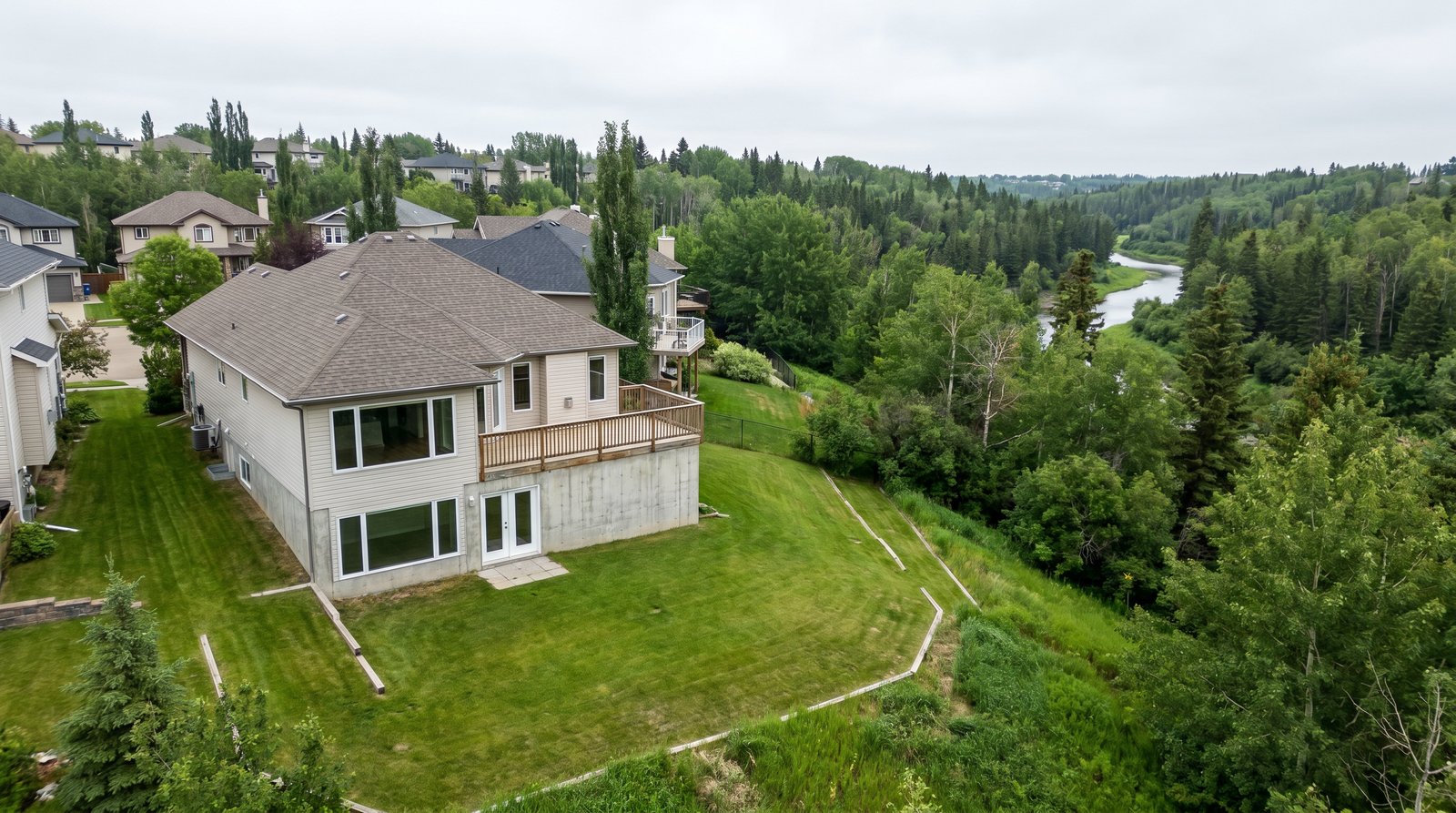
Near the Sturgeon, the soil is more alluvial, finer and more variable, and the water table sits higher. A higher water table means more hydrostatic pressure against basement walls, which is the force that bows walls and pushes water through cracks. It also means weeping tile works harder and clogs faster in the silty material. Lots that back onto a ravine add a slope into the mix, so surface water and shallow groundwater both tend to move toward the low side of the house. None of this makes a riverside home a bad buy. It just means the foundation is managing water that an upland home never sees, and proper waterproofing and drainage matter more here.
Tim Phillips, Alberta Foundation Repair: “In St. Albert I always ask where the house sits before I even look at the crack. A place backing onto a ravine off the Sturgeon is a completely different job than one four blocks up on the flat. Near the river I am thinking water table and drainage first. On site I read the wall and the lot to tell whether water is the real driver before we decide anything.”
Upland St. Albert: The Familiar Clay Story
Away from the valley, St. Albert sits on the same ground as the rest of the region, and the problems are the ones Edmonton homeowners know well.
The Same Expansive Clay
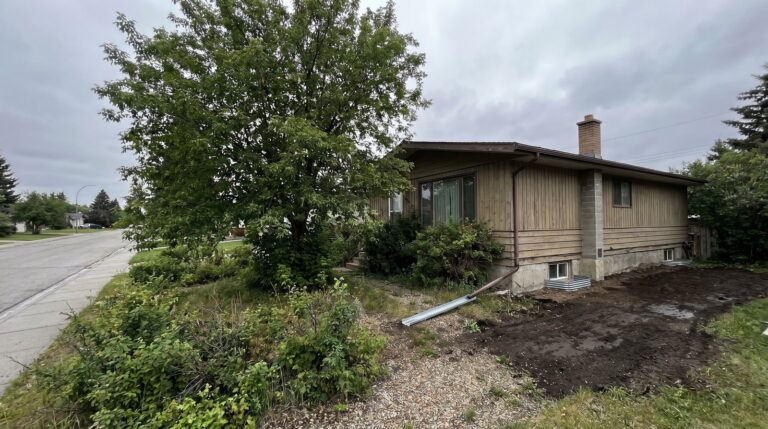
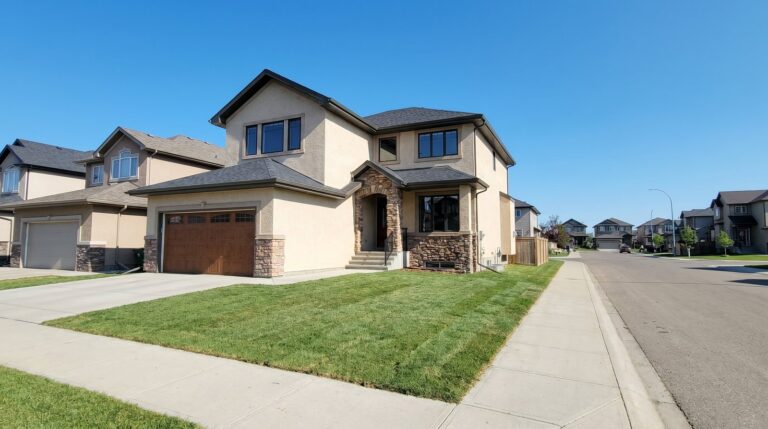
The St. Albert uplands are glacial till and lacustrine clay, the same expansive soil that troubles foundations across the Edmonton area. It swells when wet and shrinks in drought, lifting and dropping foundation corners through the seasons, and a 2.4 metre design frost depth works on it every winter. On an upland St. Albert home, the foundation conversation is really a clay conversation, the same shrink-swell and frost movement we see throughout the region. Mature neighbourhoods like Sturgeon Heights, Grandin, and Mission have decades of that movement behind them.
Ravine and Walkout Lots Need Extra Attention
St. Albert has a lot of ravine-backing and walkout lots, and they are worth a special note because the slope adds a variable.
What to Watch on a Sloped or Walkout Lot
On a walkout or ravine lot, water wants to move downhill toward and around the house. Watch for cracks concentrated on the downhill wall, soil pulling away from the foundation on the high side, a walkout wall that is leaning, and any sign that the slope itself is creeping. These are not always emergencies, but slope plus a high water table plus clay is the combination most likely to turn a small crack into a structural one. If your lot drops away toward a ravine, get movement looked at sooner rather than later.
A Simple Check for Any St. Albert Home
Walk the perimeter after a heavy rain or during spring melt. Note where water pools or runs toward the house, whether downspouts carry water well clear of the foundation, and whether the grade slopes away on every side. Near the river or a ravine, also check the basement for damp patches low on the wall. Photograph and date anything you find. Most St. Albert water problems start outside the wall, not in it.
Permits Go Through the City of St. Albert
Like Sherwood Park, St. Albert is its own municipality, so the paperwork is local and specific.
The St. Albert Permit Basics
- St. Albert is its own city, not part of Edmonton, so building and development permits go through the City of St. Albert, not the City of Edmonton.
- Structural repairs (underpinning, piers, beams) need a city permit and engineer-stamped drawings. Underpinning or helical piers generally start around $4,000 per area.
- Crack injection and drainage fixes usually need no permit. Polyurethane or epoxy on a sound crack runs about $1,500 to $3,500 per crack.
- Near the river, the 50 metre top-of-bank setback and ravine protections can affect exterior excavation, so river-lot work needs a check with the city first.
How We Approach a St. Albert Foundation
Because location drives so much of it here, the first job is always to read the lot, then the wall.
Inspect the Cause, Fix It Right in St. Albert
- On-site inspection (no charge): Tim looks at where the house sits, the grade, the drainage, and the crack pattern, and gives you a straight read on site.
- Reading the cause: on a river or ravine lot, Tim inspects the foundation and the lot to identify saturated ground, settlement, and how deep the footing sits, which is exactly what you need to know when groundwater is in play. He looks at the whole picture, not just the crack, and tells you what is driving it.
- The repair: matched to the cause, drainage and waterproofing where water is the driver, injection for sound cracks, piers or underpinning for a settled or sliding corner, with a city permit and engineer for structural work.
- Verify: we check the work after structural repairs so you can see it is holding.
Tim Phillips, Alberta Foundation Repair: “St. Albert keeps me honest because two houses on the same street can need completely different things depending on how the land falls. I have inspected a ravine-lot basement where the real issue was groundwater and a sliding slope, and the crack was just the symptom. Fix the crack and ignore the water and you are back in a year. Read the whole lot first.”
The same not-quite-Edmonton point applies to Sherwood Park in the County, where the rules and the paperwork are local too. Knowing the jurisdiction and the lot before the quote is half the job out here.
Frequently Asked Questions
Why are foundation problems different near the Sturgeon River?
Near the river and its ravines the soil is more alluvial and the water table is higher, so foundations face more hydrostatic pressure and more drainage stress than upland homes. Ravine lots add a slope that moves water toward the house. The result is that water management, not just clay movement, often drives the problem on river-adjacent St. Albert lots.
Do I get a foundation permit from St. Albert or Edmonton?
St. Albert. It is its own city, so building and development permits go through the City of St. Albert, not the City of Edmonton. Structural foundation repairs need a city permit and engineer-stamped drawings. Crack injection and drainage fixes usually do not. Near the river, the 50 metre top-of-bank setback can affect exterior work.
Is my walkout basement in St. Albert more at risk?
Walkout and ravine lots add a slope, which moves surface and shallow groundwater toward the house, so they deserve extra attention. Watch the downhill wall for cracks and the high side for soil pulling away. It is not automatically a problem, but slope plus high water table plus clay is the combination most likely to turn a small crack into a structural one.
Does upland St. Albert have the same clay as Edmonton?
Yes. Away from the river valley, St. Albert sits on the same glacial till and lacustrine clay as the rest of the Edmonton area. It swells and shrinks with the seasons and moves foundations through frost and drought cycles. On an upland lot, the foundation issue is the familiar regional clay story rather than a river-water one.
Do you service St. Albert?
Yes, St. Albert is part of our regular service area. Tim works throughout the Edmonton region, including St. Albert and the surrounding communities, and knows the local permit process and the river-valley conditions. Call (519) 732-1964 for a free visual walkthrough.
Sources
- City of St. Albert. Our History (founded 1861, Father Lacombe, Sturgeon River). Link
- City of St. Albert. Building and Development Permits. Link
- City of St. Albert. Natural Features and the Sturgeon River Setback. Link
- National Research Council Canada. National Building Code of Canada, Alberta Edition (footing and frost depth provisions). Link
- Alberta Geological Survey. Surficial Geology of the Edmonton District (glacial till, lacustrine and alluvial deposits). Link
- Mitchell, J.K. and Soga, K. (2005). Fundamentals of Soil Behavior, 3rd ed. Wiley (expansive clay and water-table effects).
Get Your St. Albert Foundation Inspected
Whether you are on a ravine lot near the Sturgeon or up on the flat, it is worth a straight answer about what is happening before it grows. A visual walkthrough costs nothing and tells you whether you are watching or fixing.
Alberta Foundation Repair, serving St. Albert and the communities we serve, (519) 732-1964
Tim inspects every foundation on site and identifies the cause before starting any repair. In St. Albert, that often means telling a water problem apart from a structural one before anyone quotes you a repair.