Sherwood Park Foundation Problems: What Strathcona County Homeowners Should Know
Quick Answer: Sherwood Park foundation problems look much like Edmonton’s, but the rules are different: this is Strathcona County, so permits and lot grading fall under the County, not the City. Homes range from 1950s originals to new builds on fill. Settlement, clogged weeping tile, and tree-dried clay are the usual causes.
Sherwood Park sits right next to Edmonton and shares the same clay, the same winters, and most of the same foundation headaches. What a lot of homeowners do not realise is that it is not actually Edmonton. It is a hamlet in Strathcona County, and that one fact changes who you call, what permits you need, and how some of these problems are handled. If you are dealing with a crack or a settling corner out here, this is what is going on and how it works locally.
The settling patterns around Sherwood Park are worth comparing against the soil and drainage in nearby communities, so it helps to see where it sits among the Sherwood Park and Strathcona County areas we work in before deciding what your own home needs.
Sherwood Park Is Not Edmonton, and That Changes the Paperwork
This is the part the big national foundation companies gloss over. Sherwood Park has its own rules because it has its own government.
The Strathcona County Difference
Sherwood Park is the urban service area of Strathcona County, not part of the City of Edmonton. Building permits, development permits, and lot grading all go through the County, under its Land Use Bylaw and the National Building Code, Alberta Edition. For structural foundation work, a County Development Officer can require a soil study before approving the job. That is different from the City of Edmonton permit process, and it is worth knowing before you sign anything, because a contractor who only works in Edmonton may not know the County steps.
The work itself is the same engineering. The approvals are not. Tim works on both sides of the line, so the County process is not a surprise here.
From Campbelltown to 75,000 People: A Community of Mixed Ages
Sherwood Park is younger than it looks, and the spread of build years matters for what you find in the basement.
A Quick History That Explains the Foundations
The community started in 1953 as Campbelltown, a planned bedroom community east of Edmonton, with the first homes marketed in 1955 on the old Smeltzer family farmland. Canada Post forced the name change to Sherwood Park in 1956. The original core, Sherwood Heights and the neighbourhoods around it, dates to the late 1950s and 1960s. Then the place kept growing, through Mills Haven and Glen Allan, out to Summerwood, Clarkdale Meadows, and the newer Wye Road developments. Today it holds more than 75,000 people. That means you have 1960s foundations and brand-new ones in the same community, with very different issues.
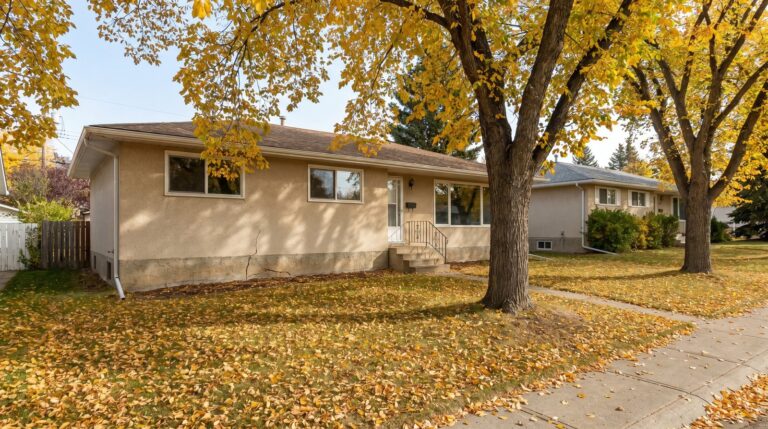
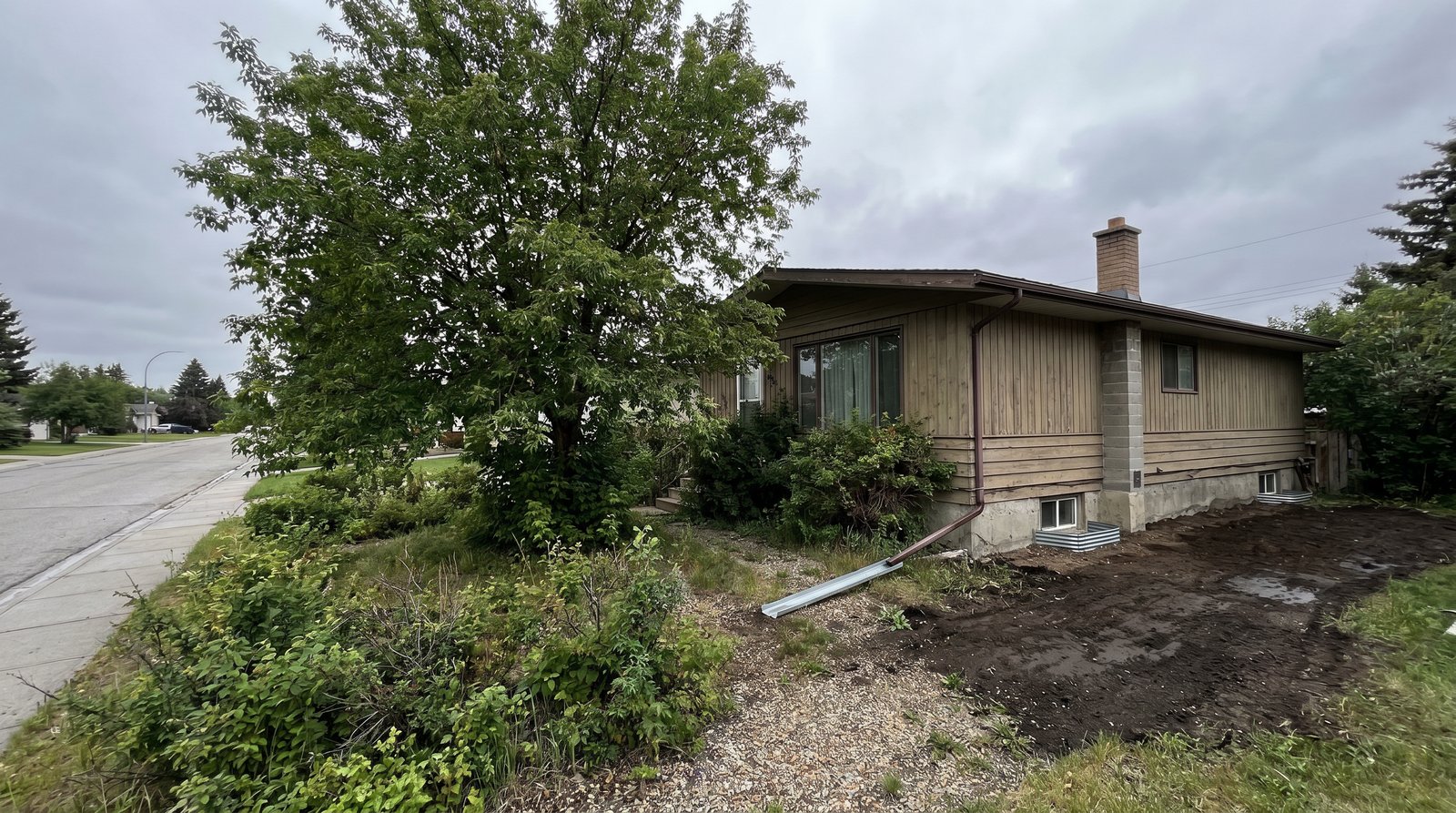
An original Sherwood Heights bungalow is dealing with sixty-plus years of clay movement and aging concrete. A new build off Wye Road is more likely settling into its own backfill. Same town, different problems, and you need to know which one you have.
Why Sherwood Park Foundations Move
The soil here is the familiar Edmonton-area mix of glacial till and lacustrine clay, with the east side sitting closer to the solonetzic ground of the Cooking Lake moraine. On top of that, a few very local patterns show up over and over.
The Common Causes Out Here
First, fill settlement. Newer Sherwood Park homes, and additions on older ones, often sit partly on backfill or infill that keeps consolidating for years, dropping a corner. Second, clogged weeping tile. Silty and sandy infill soils wash fines into the drainage pipe and plug it, which is why clogged weeping tile is so common locally. Third, trees. The mature trees that make the older neighbourhoods nice pull moisture out of the clay near the foundation in summer, shrinking the soil under the closest corner. Add Edmonton’s 2.4 metre design frost depth working on all of it each winter, and you get slow, uneven movement.
Tim Phillips, Alberta Foundation Repair: “A lot of what I see in Sherwood Park is backfill that never fully settled, especially around homes where there was an addition or a deep service trench. The original house is solid and the newer corner is the one moving. When I inspect on site, I read the crack pattern and the grade to find where the soft ground is, and then we know whether we are piering one corner or chasing a drainage problem.”
The Lot Grading Factor
Here is something specific to Strathcona County that catches people out: lot grading is a County matter, and it causes more basement water than most homeowners expect.
Check Your Grade Before the Snow Melts
Strathcona County runs a lot grading program because settled or re-graded yards cause flooding during spring melt and heavy rain, along with the occasional dispute between neighbours over where water goes. Walk your yard and check that the ground slopes away from the foundation on all sides, that downspouts discharge at least two metres out, and that no patio, deck, or new landscaping has trapped water against the wall. A lot of “foundation leaks” out here are really grading problems, and grading is far cheaper to fix than a wall.
When You Need a Permit in Strathcona County
Not every repair needs paperwork, but the structural ones do, and the County is specific about it.
Repairs and Permits, Sorted Out
- Crack injection and sealing: usually no permit. Polyurethane or epoxy on a sound crack runs about $1,500 to $3,500 per crack.
- Drainage and grading fixes: generally no building permit, though major regrading should follow the County lot grading rules.
- Structural work (underpinning, piers, beams): permit through Strathcona County, plus engineer-stamped drawings, and possibly a soil study. Underpinning a settled corner or helical piers start around $4,000 per area.
- Basement development: its own County permit with insulation requirements, separate from any foundation work.
Do Not Skip the County Step
Unpermitted structural foundation work can come back to bite you at resale, when a buyer’s inspector or lawyer asks for the permit history. Strathcona County keeps that record. Getting the permit and the engineer’s stamp is not red tape for its own sake, it is what proves the repair was done properly. Any reputable contractor will handle this as part of the job rather than asking you to skip it.
How We Approach a Sherwood Park Foundation
Because the community spans sixty years of building, the first job is always to figure out which kind of problem you actually have before quoting anything.
Inspect the Cause, Fix It Right in the County
- On-site inspection (no charge): Tim reads the crack pattern, the grade, the trees, and the age of the build, and tells you straight whether it looks like settling, drainage, or something structural.
- Identifying the cause: Tim inspects the foundation on site to work out whether you are dealing with soft fill, a drainage problem, or footing movement, which is exactly what you need to know on a home that might be sitting on backfill.
- The repair: matched to the cause, drainage and grading first where that is the real issue, injection for sound cracks, piers or underpinning for a corner on bad fill, always with the County permit and engineer for structural work.
- Verify: we check the work after structural repairs so you can see it is holding.
Tim Phillips, Alberta Foundation Repair: “Half the Sherwood Park calls I get for a leaking basement turn out to be a grading or weeping tile problem, not the wall itself. I would rather tell someone to fix their downspouts and regrade a flower bed than sell them a repair they do not need. If it is structural, we do it properly with the County permit. If it is not, I will tell you that too.”
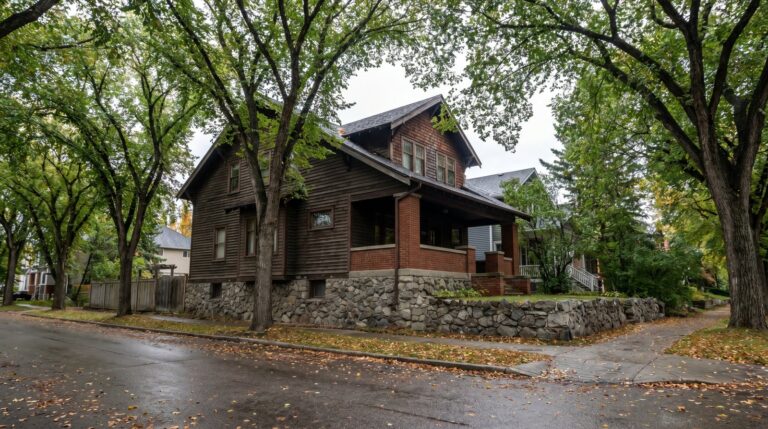
Older Edmonton neighbourhoods face the aging-concrete version of this, like the century homes in our Old Strathcona guide, while newer suburbs deal mostly with settling, the kind of settling we cover for newer Terwillegar homes. Sherwood Park has a bit of both, which is exactly why a look before a quote matters here.
Frequently Asked Questions
Do I get a foundation permit from Edmonton or Strathcona County?
Strathcona County. Sherwood Park is in the County, not the City of Edmonton, so building and development permits go through Strathcona County under its Land Use Bylaw and the Alberta Building Code. Structural foundation repairs need a County permit and engineer-stamped drawings, and the County can ask for a soil study. Crack injection and drainage fixes usually do not need a permit.
Why do newer Sherwood Park homes get foundation cracks?
Newer homes often sit partly on backfill or infill that keeps settling for years after construction, which drops a corner and opens cracks. Silty and sandy fill also tends to clog weeping tile. Most of these cracks are minor settling, but anything wider than a quarter inch, growing, or leaking is worth a free visual inspection.
My Sherwood Park basement floods every spring. Is that my foundation?
Often it is grading or weeping tile, not the foundation wall itself. Strathcona County notes that settled or re-graded yards cause spring melt flooding. Check that the ground slopes away from the house and that downspouts run well clear of the wall before assuming the worst. If water is coming through a crack, that crack does need sealing.
Does Sherwood Park have the same clay soil as Edmonton?
Yes, the same glacial till and lacustrine clay, with the east side closer to the solonetzic ground of the Cooking Lake moraine. The clay swells and shrinks with the seasons just as it does across Edmonton. The local twist is the amount of disturbed fill from decades of bedroom-community development sitting on top of it.
Do you service Sherwood Park, or only Edmonton?
Sherwood Park is part of our regular service area, along with the rest of Strathcona County. Tim works on both sides of the Edmonton boundary and knows the County permit process, so the paperwork is not an afterthought. Call (519) 732-1964 for a free visual walkthrough.
Sources
- Strathcona County. Lot Grading Maintenance in Residential Areas. Link
- Strathcona County. History of Sherwood Park: Housing (founded 1953 as Campbelltown). Link
- Strathcona County. Residential Permits and Basement Development. Link
- National Research Council Canada. National Building Code of Canada, Alberta Edition (footing and frost depth provisions). Link
- Alberta Geological Survey. Surficial Geology of the Edmonton District (glacial till, lacustrine clay, Cooking Lake moraine). Link
- Mitchell, J.K. and Soga, K. (2005). Fundamentals of Soil Behavior, 3rd ed. Wiley (expansive clay behaviour).
Get Your Sherwood Park Foundation Inspected
If you have a crack, a settling corner, or a basement that floods every spring, it is worth a straight answer before it grows, from someone who knows the Strathcona County process. A visual walkthrough costs nothing.
Alberta Foundation Repair, serving Sherwood Park, Strathcona County, and the greater Edmonton region, (519) 732-1964
Tim inspects every foundation on site and identifies the cause before starting any repair. In Sherwood Park, that often means proving whether you have a real foundation problem or a drainage one before anyone quotes you a repair.